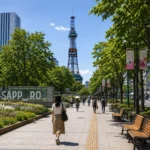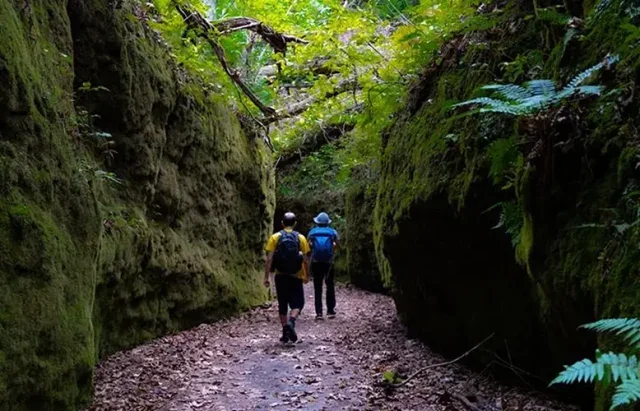

Exploring Sapporo on foot is one of the simplest ways to stay active while experiencing the city at a comfortable pace. Instead of treating exercise as a separate part of the itinerary, travelers can make walking part of their sightseeing plans and discover neighborhoods, parks, shopping streets, and local attractions along the way.
Sapporo is particularly suitable for this approach because many interesting areas can be connected through pedestrian-friendly routes. A walking day can combine sightseeing with movement naturally, allowing travelers to experience more of the city without spending the entire day inside trains, buses, or taxis.
For visitors who want to maintain a balanced routine during their trip, walking can also complement other forms of exercise and relaxation. Combining sightseeing with movement, rest, and other forms of fitness and wellness can make an itinerary feel more sustainable.
Why Walking Is a Great Way to Explore Sapporo

Walking provides more than physical activity. It allows travelers to experience the destination at a slower pace and notice details that can easily be missed when moving between attractions by vehicle.
Discover the city beyond major attractions
Popular landmarks are often only one part of a destination. Walking between major attractions can reveal smaller streets, cafés, shops, residential areas, and public spaces along the way.
These unexpected discoveries can become some of the most memorable parts of a trip. Instead of focusing only on reaching the next destination, travelers can enjoy the journey between locations.
Walking adds natural movement to the day
A sightseeing itinerary can easily involve several hours of movement without requiring a formal workout. Walking through shopping districts, parks, markets, and cultural areas can gradually increase daily activity.
This can be particularly useful for travelers who do not want to spend additional time in a gym during a busy vacation.
Planning a Walking Day in Sapporo
A good walking itinerary does not need to be complicated. The most important consideration is creating a route that matches your available time, interests, and energy level.
Choose destinations within the same area
Rather than selecting attractions scattered across the entire city, travelers can group nearby destinations together.
This makes it easier to create a continuous walking route. Visitors can spend the morning exploring one neighborhood, stop for lunch, continue toward another attraction, and finish the afternoon at a café or restaurant.
Grouping destinations also reduces unnecessary transportation time.
Leave room for unexpected stops
One advantage of walking is the freedom to change direction. Travelers may notice an interesting storefront, small park, local bakery, or architectural detail that was not included in the original itinerary.
Leaving some flexibility in the schedule makes these discoveries possible.
A walking itinerary should therefore be a guide rather than a strict timetable.
Related Article: Staying Active in Sapporo with a Fitness and Wellness Guide
Walking Through Sapporo’s Parks
Parks can provide a refreshing contrast to the city’s commercial and urban areas. They are also useful places to slow down during a long day of sightseeing.
Take a relaxed route through green spaces
Walking through a park does not need to be a fast-paced exercise session. A relaxed route can provide both movement and a chance to enjoy the surrounding environment.
Travelers can stop to take photographs, sit on a bench, observe seasonal scenery, or simply enjoy a quieter atmosphere before continuing their journey.
Seasonal scenery changes the experience
Sapporo’s parks can feel very different throughout the year. Spring brings new greenery and flowers, summer creates lush landscapes, autumn introduces colorful foliage, and winter transforms many outdoor spaces with snow.
This seasonal variation gives travelers another reason to explore the same areas at different times of year.
Walking in Different Seasons
Weather is one of the most important factors when planning to explore Sapporo on foot.
Spring walking
Spring can be a comfortable period for longer walks as temperatures become milder. Travelers can gradually increase the amount of outdoor exploration while enjoying the changing scenery.
Layered clothing can be useful because temperatures may vary throughout the day.
Summer walking
Summer generally provides longer daylight hours and plenty of opportunities for outdoor exploration. Travelers can start earlier in the morning or continue walking into the evening.
Because warmer temperatures can make extended walking tiring, it is helpful to include regular breaks and access to water.
Autumn walking
Autumn is particularly attractive for travelers who enjoy scenic walks. Cooler temperatures can make longer routes more comfortable, while changing foliage adds visual interest to parks and streets.
An autumn walking itinerary can combine sightseeing with photography stops and seasonal dining.
Winter walking
Winter creates a completely different experience. Snow-covered streets and colder temperatures can make walking more challenging, but they also provide an opportunity to see Sapporo from a unique perspective.
Travelers should prioritize suitable footwear, warm clothing, and routes that are practical under winter conditions.
Comfortable Footwear Makes a Difference
Walking may appear simple, but the wrong footwear can quickly turn a pleasant sightseeing day into an uncomfortable one.
Choose shoes for distance rather than appearance
Travelers should consider how many hours they expect to spend walking each day. Comfortable shoes with adequate support are generally more useful than footwear chosen solely for appearance.
For winter trips, traction is particularly important because snow and ice can create slippery surfaces.
Bring suitable seasonal layers
Clothing can also influence the walking experience. Summer travelers may need breathable layers and sun protection, while winter visitors require warm clothing that protects against wind and snow.
Being prepared for the weather makes it easier to continue exploring comfortably.
Combining Walking With Public Transportation
Walking does not mean avoiding public transportation completely. In fact, combining both can create a more practical itinerary.
Walk one direction and use transportation later
Travelers can choose to walk toward an attraction and use public transportation when returning.
This approach provides meaningful movement without making the entire day physically demanding.
It is especially useful when travelers want to explore several areas while still conserving energy for evening activities.
Use transportation strategically
Public transportation can also be useful for covering longer distances between neighborhoods. Once travelers arrive in a new area, they can continue exploring on foot.
This creates a balance between efficient transportation and active sightseeing.
Walking Between Meals and Attractions
Food is an important part of any Sapporo trip, and walking can naturally fit around dining plans.
Take a walk before dinner
After spending the afternoon sightseeing, travelers can choose to walk toward their dinner destination instead of taking transportation for the entire journey.
This creates a transition between daytime activities and the evening.
Explore after eating
A short walk after a meal can also be a pleasant way to experience the city at night. Streets can have a completely different atmosphere after sunset, particularly in areas with restaurants, illuminated buildings, and busy pedestrian activity.
The walk does not need to be long. Even a relaxed stroll can provide another perspective on the neighborhood.
Making Walking Enjoyable for Different Travelers
Walking itineraries can be adjusted according to different travel styles.
Solo travelers
Solo travelers have the freedom to choose their own pace. They can stop whenever they find something interesting and change routes without needing to coordinate with others.
This makes walking particularly suitable for independent exploration.
Couples
Couples can use walking as an opportunity to enjoy slower moments together. Scenic routes, parks, shopping streets, and evening walks can become memorable parts of the trip.
Walking also creates opportunities to discover restaurants or cafés spontaneously.
Families
Families may need shorter routes with frequent breaks. Parks and pedestrian areas can be useful because children can move around without the experience feeling like a formal exercise session.
It can also help to include attractions along the route so that the walking itself becomes part of a larger activity.
How to Avoid Walking Fatigue
Although walking is generally accessible, spending an entire day on your feet can become tiring.
Schedule regular breaks
Stopping periodically can make a long walking day much more comfortable. Cafés, parks, shopping areas, and public spaces can all provide opportunities to rest.
Breaks also allow travelers to stay hydrated and recharge before continuing.
Avoid overloading the itinerary
Trying to visit too many attractions in one day can turn walking into a chore. It is usually better to explore fewer places thoroughly than rush between many locations.
A slower itinerary can also create more opportunities for spontaneous discoveries.
Walking as Part of a Balanced Travel Routine
Walking can become one component of a broader approach to staying active during a trip. Travelers do not necessarily need to schedule a formal workout every day when their itinerary already includes substantial movement.
Combine walking with other activities
A traveler might spend one day exploring the city on foot, another day participating in an outdoor activity, and another day focusing on sightseeing and relaxation.
This variation prevents the itinerary from becoming repetitive and gives the body time to recover.
Listen to your energy levels
Travel can be physically demanding even when activities seem easy individually. Long flights, changes in sleep schedules, unfamiliar weather, and extensive sightseeing can all influence energy levels.
If fatigue becomes noticeable, reducing the walking distance or using transportation is perfectly reasonable.
The goal is to enjoy the destination rather than complete a specific step count.
Useful Tips for a Better Walking Experience
A few simple preparations can make exploring Sapporo on foot more enjoyable.
Carry water
Having water available is useful during longer walks, particularly during warmer weather. Travelers can also plan stops where they can take a break and refresh themselves.
Keep essential items accessible
A small day bag can be useful for carrying water, a phone, wallet, camera, and other essentials without making the walk uncomfortable.
Travelers should avoid carrying unnecessarily heavy bags when planning to walk for several hours.
Check the route beforehand
Checking the general route before leaving can help identify the approximate distance, available transportation options, and potential places to stop.
However, there is no need to plan every minute. A basic understanding of the route is usually enough.
Conclusion
Walking in Sapporo offers an easy way to combine sightseeing with natural movement. Travelers can explore neighborhoods, parks, shopping streets, cultural attractions, and seasonal landscapes while avoiding the need to schedule exercise separately.
The key is to create a comfortable balance. Choose destinations that can be connected naturally, wear appropriate footwear, take regular breaks, and use public transportation when distances become too long.
Walking should enhance the travel experience rather than become a source of exhaustion. By keeping the itinerary flexible and paying attention to energy levels, travelers can enjoy more of Sapporo while maintaining an active and enjoyable routine.
Frequently Asked Questions
Is Sapporo good for walking?
Yes. Many parts of Sapporo can be explored comfortably on foot, particularly when travelers group nearby attractions and combine walking with public transportation for longer distances.
How much walking should I plan for in Sapporo?
There is no fixed amount. The ideal distance depends on your fitness level, itinerary, weather, and personal preferences. A flexible schedule with regular breaks is generally more comfortable.
Is Sapporo suitable for walking in winter?
Yes, but winter requires additional preparation. Warm clothing and footwear with good traction are particularly important when snow and ice are present.
Can walking replace a hotel workout?
For some travelers, a full day of walking may provide plenty of physical activity. Others may still prefer structured exercise. The right balance depends on individual goals and how active the itinerary is.
What should I bring for a walking day in Sapporo?
Comfortable footwear, weather-appropriate clothing, water, and a small day bag are useful. During winter, travelers should also consider warm layers and footwear designed for snowy conditions.